Breanna Stewart says WNBA, WNBPA won't reach a CBA deal by Friday deadline, will continue negotiating
The WNBA and WNBPA remain at a stalemate as another CBA deadline approaches

•
4 min read
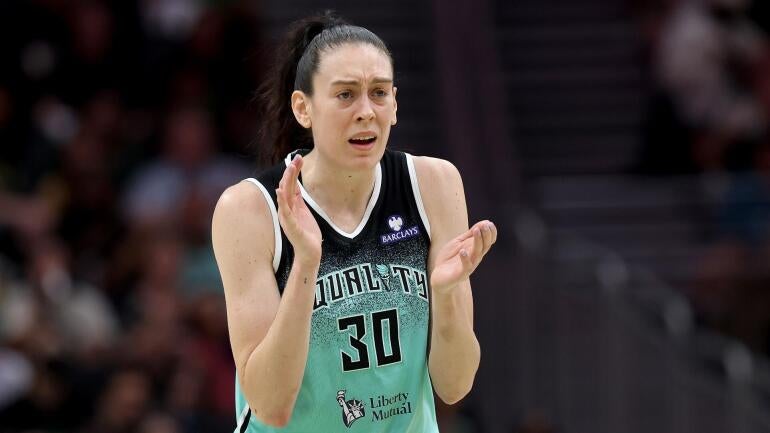
The WNBA and WNBPA will not have a new collective bargaining agreement in place by the Friday deadline, per WNBPA vice president Breanna Stewart.
"We're not coming to an agreement by tomorrow. I can tell you that," Stewart told reporters on Thursday. However, despite the expectation that a third deadline will come and go without a new CBA, Stewart added that the WNBPA and WNBA plan to continue to negotiate in good faith.
That last part means the WNBPA will not look to make a strike official just yet, but it does show that the two sides remain far apart on key elements of the upcoming CBA.
Why can't the WNBA and WNBPA reach an agreement?
There are all manner of things at stake in the new CBA, from codifying charter travel to prioritization and more. However, as is always the case in a labor dispute, the biggest hurdle is about money.
There is currently a wide gulf in the proposals from each side regarding what the salary cap will be and how much of the league's revenue will go to the players.
The WNBA's proposal in early December offered to raise the cap to $5 million and the max salary to about $1.3 million a year in the first year of the deal. Sources close to the situation told CBS Sports that over the course of the proposed deal, the max salary would raise to almost $2 million and that multiple players on each team would be eligible for the max salary. The minimum salary in this deal would start at $230,000 and the average salary would start at $530,000. All of these salary figures include a base salary plus a revenue-sharing component that includes both team and league revenue, something players have been asking for. The source estimates that this deal would result in players getting about 70% of net revenue -- that is, the revenue remaining when league-specified operating expenses are removed from the pot.
For comparison, in 2025 the WNBA's salary cap was about $1.5 million, the minimum salary was around $66,000 and its supermax was about $250,000.
The WNBPA, however, has reportedly countered with a proposal for the players to get 30% of gross revenue, moving the salary cap in 2026 to around $10.5 million with a max salary around $2.5 million. Sources tell CBS Sports that the WNBA has not yet submitted a formal counter to the WNBPA's latest offer, which was submitted a couple of weeks ago.
The biggest discrepancy remains what figures should be included in the revenue-sharing pot and whether the players' share comes from the gross revenue or the net revenue.
What's the point of a deadline if the two sides will just keep negotiating?
A good question! One of the unique things about the WNBA calendar is that the offseason is so long that there isn't a true sense of urgency created by manufactured deadlines. In the NBA, for example, there are less than four months between when the NBA Finals end and the next regular season begins. In the WNBA, there are seven months between the end of the Finals and the start of the regular season.
That's the biggest reason neither side is stressing over a missed deadline in early January. The two sides already agreed to extend the initial deadline twice already -- first from from Oct. 31 to Nov. 30 and then again from Nov. 30 to Jan. 9. Whether they make an official extension or not, it doesn't sound like the union is quite prepared to take the official step of going on strike -- although players have authorized the union to do so if necessary.
The key thing all sides want to avoid is missing actual games. We are still four months away from the traditional opening of training camp, so both sides aren't feeling the heat just yet. We will find out what the actual deadline both parties feel would create problems for the 2026 season once there's serious movement from the league and union, but it's clear arbitrary deadlines aren't going to force either to make major concessions.
When would the season end up in danger of being delayed?
Unrivaled plays into the first week of March and if an agreement hasn't been reached by the time that season ends, there would be real concerns about whether the season can start in late May as per usual.
That said, there is more to get done than usual this offseason because there are two expansion teams -- the Toronto Tempo and Portland Fire -- that haven't even gotten to go through the expansion draft process. The expansion draft structure has to be agreed up on in the new CBA, but you can bet those franchises are getting a bit itchy to finally start putting together a roster after being stuck in a lengthy holding pattern.
Even if there's no panic from either side right now, each missed deadline brings the looming specter of a work stoppage into play. Neither side wants that, but they are both keenly aware of the importance of this CBA negotiation in laying the framework the league will operate under going forward.
Players feel they've never had more power or leverage, but the league wants to make it clear that they are in charge. The result is a standoff that is about to blow through its third deadline this offseason with no obvious end in sight.