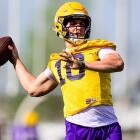

Texas Tech quarterback Brendan Sorsby has retained Jeffrey Kessler, the attorney who won an historic victory in House v. NCAA, to fight the governing body's gambling investigation into his recent betting activity.
Kessler confirmed to CBS Sports that Sorsby has hired him. Sorsby is seeking a negotiated resolution with the NCAA. If that doesn't happen, Kessler is prepared to take the NCAA to court, sources familiar with the process told CBS Sports.
The Red Raiders' quarterback is under investigation for bets he placed on Indiana football in 2022 and on various other sports, sources said. He averaged 20 bets per day at times, dating back to his time on the Hoosiers' roster in 2022. Sorsby entered a residential treatment program for gambling addiction as the NCAA conducts its investigation, which could lead to the organization declaring him permanently ineligible from college sports. He is expected to remain in treatment for several weeks.
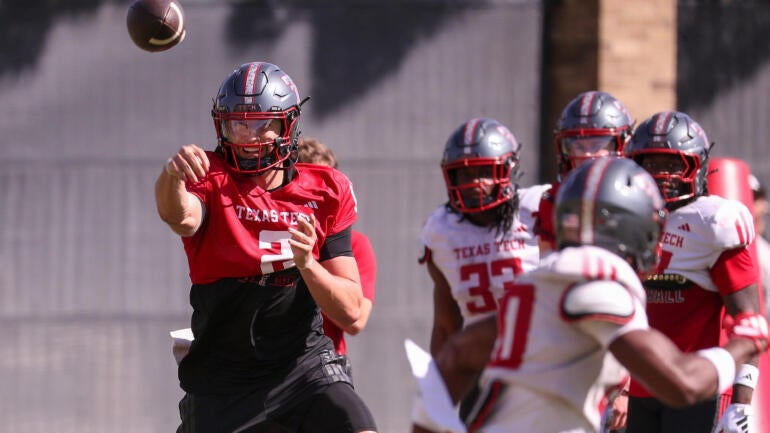
The stakes couldn't be higher for the Red Raiders, who entered the spring as the favorite to win the Big 12 championship with the blue-chip QB transfer on the roster. Texas Tech built its roster around Sorsby, paying upwards of $5 million to pry him away from Cincinnati after a standout 2025 season. He threw for 2,800 yards, 27 touchdowns and just five interceptions for the Bearcats, adding nine rushing scores and establishing himself as one of the most complete signal-callers in the country. He was ranked No. 2 overall in the transfer portal. Sorsby was considered a potential first-round NFL Draft pick before the gambling investigation became public.
Tech has retained its own counsel for its talks with the NCAA, but Sorsby sought independent counsel with Kessler.
Under NCAA bylaws, wagering on your own school's games carries the harshest possible penalty: permanent loss of eligibility.
The NCAA has not provided Sorsby or Texas Tech a timeline for completing the investigation, which is a point of contention for Sorsby as his college career hangs in the balance less than four months before next season, sources said.
Kessler's successful track record against the NCAA is well-documented. He was the lead attorney in House v. NCAA, the landmark antitrust case that forced the governing body into the game-changing, revenue-sharing era last summer. His presence signals that Sorsby intends to exhaust every legal avenue before accepting a career-ending ruling.
The path is narrow. Just this month, the NCAA ruled two former Fordham basketball players permanently ineligible for their role in an alleged point-shaving scheme. Sorsby's situation differs in kind — there are no allegations of point-shaving — but the eligibility consequences under NCAA bylaws are similarly severe. Sources told CBS Sports he did not bet on Indiana games in which he played.
Still, Kessler's involvement changes the calculus. The NCAA is already operating under court-imposed constraints from the multi-billion-dollar House resolution. The prospect of another high-profile antitrust challenge involving a player's right to compete is not one the association will take lightly.
Backup Will Hammond is recovering from a torn ACL, and the only other option with collegiate starts is Tulsa transfer Kirk Francis, who Tech brought in with the intention of being the third-string quarterback. Hammond is not expected to be cleared to play for the Red Raiders' Week 1 game.