Utah to enter landmark private equity agreement raising $500 million
The first-of-its-kind agreement could set a new precedent as universities seek competitive edges in college athletics' revenue-sharing era

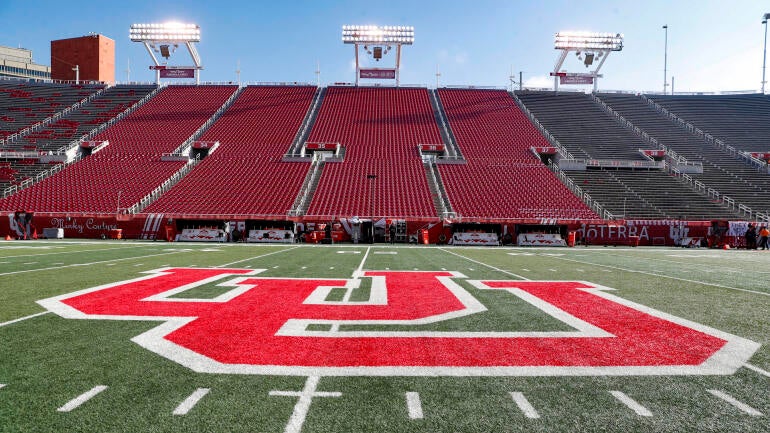
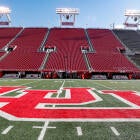
The University of Utah is finalizing a landmark private equity partnership that would be the first of its kind in college athletics. Utah is set to enter an agreement with New York-based firm Otro Capital that will help generate an estimated $500 million for the school, it announced on Tuesday. The deal is expected to be finalized in early 2026.
Utah received clearance from the NCAA to enter the partnership, according to Yahoo Sports. It must abide by certain stipulations to remain an NCAA member, though. For instance, university president Taylor Randall and athletic director Mark Harlan must retain majority decision-making control.
With the groundbreaking deal comes the creation of a for-profit entity, Utah Brands & Entertainment LLC, which will exist as an independent offshoot of the athletic department co-owned by the university and Otro Capital. The school will be the majority owner and possess decision-making authority (including on schedules, coaches and other pertinent factors) while Otro Capital earns a percentage of the company's annual revenue.
The agreement comes with an exit strategy five to seven years down the line, and the university possesses the right to purchase Otro Capital's ownership stake.
Utah Brands & Entertainment will oversee the revenue-sharing efforts with Utes athletes. Harlan is set to chair its board, which will elect a president from outside the university. Personnel, divisions and operations that were traditionally under the athletic department's umbrella will largely exist as part of the new company.
Donors will also be able to purchase stakes in Utah Brands & Entertainment. Between the investments from donors and a nine-figure deal with Otro Capital, Utah could raise more than $500 million, setting itself up for sustained success in the revenue-sharing era of college athletics.
Utah becomes first school to embrace private equity
The House v. NCAA case paved the way for private equity to enter college athletics, and as soon as the parties agreed in 2024 to settle, schools and conferences began to investigate opportunities in that realm. But even six months after the settlement was finalized, none had secured deals. Utah is the first to ink a partnership with a capital firm, and it will surely not be the last. As universities and leagues seek first-mover advantages and guarantees of long-term success in the rapidly changing college athletics landscape, more figure to follow Utah's lead.
Florida State was among the first schools to consider private equity investments, but nothing came of the idea. Entire conferences later brought proposals to the table. The Big 12 considered an option that could have raised up to $1 billion for the league in exchange for 20% ownership but decided against it. The Big Ten is in the middle of similar discussions, but not all of its schools are on board with what could be a $2 billion deal.
The more revenue a school's athletic department generates, the more it can allocate to its athletes. That is the new reality in the post-House settlement era. With deeper pockets comes a greater ability to recruit and retain talent and, thus, to compete for championships. If Utah's model proves successful, private equity investments will almost certainly become far more common in the years to come.