World Cup 2026: 100 things to know with 100 days to go; key storylines, top contenders, crucial games
Here's everything you need to know to get ready for the 2026 men's World Cup in North America

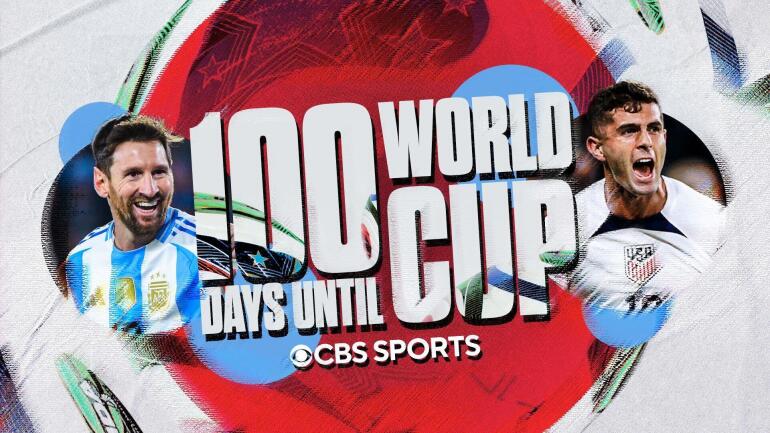
In just 100 days, the world's biggest stars will flood into the United States, Canada, and Mexico for the largest World Cup ever staged. The 2026 tournament is set to shatter the attendance records set in 1994, expand to 48 teams for the first time, and deliver more matches -- and more chaos -- than any edition before it.
Expectations are soaring for the host nations, and with unprecedented scale and global attention, this World Cup has the potential to redefine the sport in North America.
Tuesday, March 3, marks the 100-day countdown until the start of the tournament, and with that in mind, we have got you covered with 100 things to know for the World Cup:
World Cup facts
1. Supersize me: This will be the first men's World Cup with 48 teams, expanding from the 32-team era (1998-2022)
2. More teams means more games: 104 games to be exact, which is 40 more than the previous 32-team editions.
3. Three's company: The tournament is hosted by three countries: Canada, Mexico, and the United States.
4. Historic trio: We've seen two countries host a men's World Cup before (South Korea and Japan in 2002), but this is the first time that three countries will host this tournament.
5. Hat trick: Mexico becomes the first nation to host/co-host three men's World Cups (1970, 1986, 2026)
6. Back in North America: The men's World Cup returns to North America for the first time since 1994, which means this is the second time the United States has hosted the tournament.
7. Canada will host the men's World Cup for the first time.
8. 38 days of madness: The World Cup runs from Thursday, June 11 to Sunday, July 19.
9. All roads lead to ... MetLife Stadium in New Jersey -- home of the New York Giants and New York Jets in the NFL -- will host the final.
10. Halftime show: For the first time in history, the World Cup will include a halftime show similar to that of American sporting events like the Super Bowl, where Bad Bunny was the most recent halftime performer.
Venues
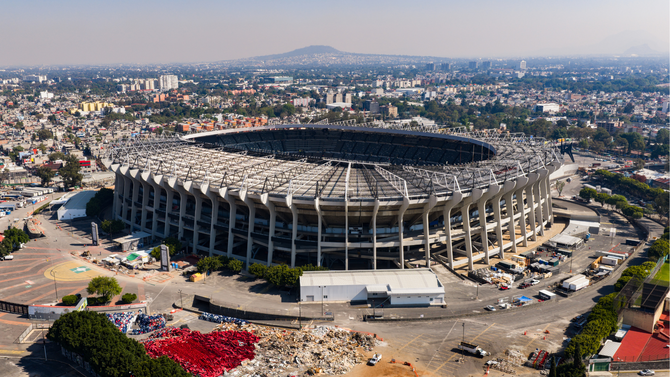
11. Mexico gets the right to host the tournament's opening match at Estadio Azteca in Mexico City, where it will face South Africa on June 11.
12. Canada and the United States will have to wait a day later (June 12) to host their first games. The Canadians kick off at 3 p.m. ET at BMO Field in Toronto, while the U.S. will open its campaign at night against Paraguay at SoFi Stadium in the greater Los Angeles area.
13. The competition will be played across 16 host cities, split into three regions in an effort to help minimize travel.
14. East Region venues include:
- Toronto, Canada -- BMO Field
- Boston, Massachusetts -- Gillette Stadium
- Philadelphia, Pennsylvania -- Lincoln Financial Field
- Miami, Florida -- Hard Rock Stadium
- New York/New Jersey -- MetLife Stadium
15. Central Region venues include:
- Dallas, Texas -- AT&T Stadium
- Atlanta, Georgia -- Mercedes-Benz Stadium
- Kansas City, Missouri -- Arrowhead Stadium
- Houston, Texas -- NRG Stadium
- Monterrey, Mexico -- Estadio BBVA
- Mexico City, Mexico -- Estadio Azteca
16. West Region venues include:
- Vancouver, Canada -- BC Place
- Seattle, Washington -- Lumen Field
- Los Angeles, California -- SoFi Stadium
- San Francisco, California -- Levi's Stadium
- Guadalajara, Mexico -- Estadio Akron
Format and schedule
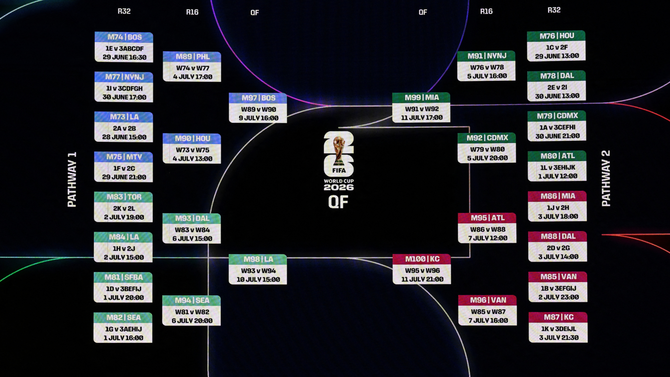
17. Group stage: More teams and more games means more groups in the group stage. We are getting 12 groups of four teams, up from eight in previous iterations.
18. First and second place from each group will advance to the knockout stage.
19. Third-place finishers now have a chance to reach the next round from the group stage. The top eight third-place teams from the 12 groups move on.
20. Tiebreakers: If teams are tied at the end of the group stage on head-to-head points, the following criteria are applied in order. This will also be used for determining the best third-placed teams. Points in head-to-head matches, goal difference in head-to-head matches, most goals scored in head-to-head matches, overall group goals difference, overall goals scored, fair play points, and then who has the better FIFA ranking.
21. Round of 32: As a result of an expanded field and third-place finishers being able to qualify for the knockout stages, the 2026 World Cup will introduce a round of 32 for the first time.
22. Knockout stage dates: The knockout rounds stretch across three high‑stakes weeks. The round of 32 runs from June 28 to July 3, followed by the round of 16 from July 4-7. Quarterfinals take place July 9-11, with semifinals set for July 14-15. The tournament wraps with the third‑place match on July 18 and the World Cup final on July 19.
23. Four games per day? Sign us all up. The group stage will generally feature four staggered kickoff times each day during most of the group stage (12 p.m. ET, 3 p.m. ET, 6 p.m. ET and 9 p.m. ET).
24. Can I interest you in six per day? The only exception in the group stage is during the final matchday. To maintain competitive integrity, the final four matchdays of the group stage will feature six matches per day, played in simultaneous slots.
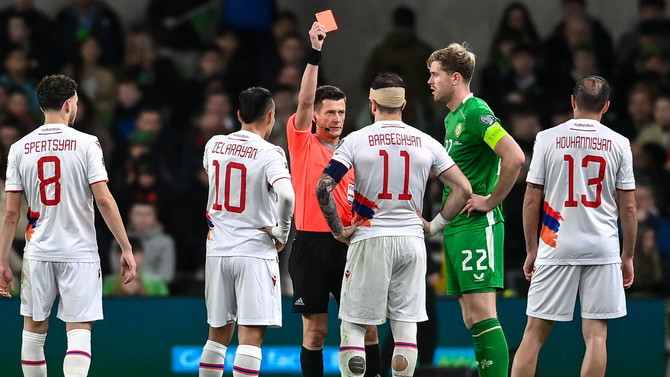
25. What about a midnight kickoff time? Soccer sickos and/or Socceroos will get up for this. Australia will open its World Cup campaign with a midnight start time against a UEFA playoff winner. Additionally, for footy-after-dark lovers, Jordan will face Algeria on June 22 at 11 p.m. ET.
26. All in all, there are 13 different kickoff times in the 2026 World Cup.
27. Soccer on the Fourth of July: Hot dogs, fireworks, cookouts, and footy? The 2022 World Cup brought us the United States facing England on Thanksgiving, and on the 250th anniversary of America's independence, fans will be treated to two round-of-16 matchups. Houston and Philadelphia will play hosts on a day that will surely be a show.
28. Do we know who all 48 teams are? Surprisingly, no! Forty-two of the 48 slots are set, while the other six will come from the playoff winners.
29. Which spots are up for grabs? There are still four slots in UEFA, with 16 teams in contention. They play in the UEFA playoffs in late March. FIFA will hold its own intercontinental playoffs in late March, with six teams competing for the final two spots.
30. Teams participating in UEFA playoffs: Italy, Northern Ireland, Wales, Bosnia and Herzegovina, Ukraine, Sweden, Poland, Albania, Turkiye, Romania, Slovakia, Kosovo, Denmark, North Macedonia, Czechia, Ireland
31. Teams participating in World Cup playoffs: Bolivia, DR Congo, Iraq, Jamaica, New Caledonia, Suriname
32. The United States is already paired with Paraguay and Australia, but it awaits the winner of one of the UEFA playoff brackets to complete its group. One of these four UEFA teams will qualify into USA's group: Turkiye, Romania, Slovakia, and Kosovo.
33. The same goes for Canada, which already has Switzerland and Qatar. One of these four UEFA teams will qualify for Canada's group: Italy, Northern Ireland, Wales and Bosnia and Herzegovina.
34. Mexico sits in the same boat, with South Korea and South Africa in its group; it awaits one of these four from the UEFA playoffs: Denmark, North Macedonia, Czechia, or Ireland.
35. For the first time, Oceania qualified directly. Previously, Oceania only had a place in the intercontinental playoff, but now New Zealand has qualified for the group stage, while New Caledonia could make this the first-ever World Cup with two teams from Oceania if they advance from the intercontinental playoff.
36. Here are the complete group stage pairings:
- Group A: Mexico, South Korea, South Africa, UEFA Playoff D (Denmark/North Macedonia/Czechia/Ireland)
- Group B: Canada, Switzerland, Qatar, UEFA Playoff A (Italy/Northern Ireland/Wales/Bosnia and Herzegovina)
- Group C: Brazil, Morocco, Scotland, Haiti
- Group D: USA, Australia, Paraguay, UEFA Playoff D (Turkiye/Romania/Slovakia/Kosovo)
- Group E: Germany, Ecuador, Ivory Coast, Curacao
- Group F: Netherlands, Japan, Tunisia, UEFA Playoff B (Sweden/Ukraine/Poland/Albania)
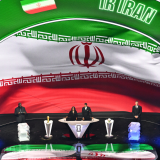
- Group G: Belgium, Iran, Egypt, New Zealand
- Group H: Spain, Uruguay, Saudi Arabia, Cabo Verde
- Group I: France, Senegal, Norway, Intercontinental Playoff 2 (Iraq/Bolivia/Suriname)
- Group J: Argentina, Austria, Algeria, Jordan
- Group K: Portugal, Colombia, Uzbekistan, Intercontinental Playoff 1 (DR Congo/Jamaica/New Caledonia)
- Group L: England, Croatia, Panama, Ghana
37. Our top group stage games to watch ...
- Mexico vs. South Africa (June 11, 3 p.m. ET)
- Brazil vs. Morocco (June 13, 6 p.m. ET)
- England vs. Croatia (June 17, 4 p.m. ET)
- Norway vs. France (June 26, 3 p.m. ET)
- Uruguay vs. Spain (June 26, 8 p.m. ET)
- Colombia vs. Portugal (June 27, 7:30 p.m. ET)
38. Click here for the complete schedule.
Rules and miscellaneous
39. Trionda: That's the name of the new World Cup ball. Each World Cup ball gets a unique name, and the 2026 World Cup will feature the Trionda, which is made up of only four bonded panels, the fewest of any World Cup match ball ever. That could lead to some unusual swerves in the ball's flight, making this the hardest ball to control since the Jabulani used at the 2010 South Africa World Cup.
40. First to try it out? MLS. To see an early look at the World Cup ball, look no further than Major League Soccer. Players in the MLS will have a chance to get used to the Nativo soccer ball during the 2026 season.
Shaped by the people, pitches, and passion that drive the game in North America.
— Major League Soccer (@MLS) January 2, 2026
Introducing our 2026 Official Match Ball: https://t.co/iI9gicTz9g pic.twitter.com/wFduvVPOZu
41. Mascots: With three different host nations, that also means three - quite fun - mascots for this World Cup. It may be a little sad that Striker the dog, the United States' mascot hosting the 1994 World Cup, has been replaced by Clutch the Bald Eagle. Maple the Moose will represent Canada, while Zayu the Jaguar will be Mexico's mascot.
One big happy family 🫶#WeAre26 | #FIFAWorldCup pic.twitter.com/kbNnZv0oyY
— FIFA World Cup (@FIFAWorldCup) October 24, 2025
42. World Cup anthem: The FIFA World Cup 26 theme is live and can be found here.
43. World Cup kits: One of the best aspects of the World Cup is the diversity of kits representing each country. Adidas already launched its home kits in November, while Nike and Puma are expected to launch theirs soon as well.
44. Squad size: The World Cup will have 26 players in each roster, which was initially expanded during the 2022 World Cup from 23.
45. When do players join their teams? Earlier than ever, players will join their national teams on May 25, giving them time to acclimate to the climate and altitude of North America.
46. Substitutes: Teams will also be able to make five substitutions during three windows, with concussion substitutes not counting toward that five.
47. Water breaks are no longer just for weather: Previously, if the temperature was above 89.6 degrees Fahrenheit at the time of kickoff, there would be two three-minute cooling breaks around the 30th and 75th minutes; now they'll be used in all games during the World Cup, no matter what.
48. VAR: Video Assistant Referee is used to assist the on-field referees by reviewing situations for clear and obvious errors to potentially reverse them or send the referee to the sideline monitor to determine if a change should be made. The scenarios below are the six situations when VAR can be utilized:
- Goals
- Penalties
- Direct red cards
- Mistaken identity
- Corner kicks (new for this World Cup)
- Second yellow cards (new for this World Cup)
49. Offsides: In soccer, the offside rule is applied if a player is ahead of the last defender and the ball, and it is passed to them, or if a goal is scored while a player is in an offside position where they could've impacted the play. This is automatically reviewed on goals to be determined by semi-automated offides technology.
50. Injury time off the pitch increased: Major international tournaments are when we see new rules implemented for the first time. The Club World Cup last summer began awarding corner kicks for time-wasting by goalkeepers, and the World Cup will be similar, with players who are treated for injury potentially needing to leave the pitch for a full minute. This has been trialed in MLS Next Pro and other leagues, but may be coming to the major competitions elsewhere. It's worth noting that the rule shift won't apply to goalkeepers.
51. Time-wasting measures approved: Like the keeper rule, throw-ins will now have a timer applied, and if a player takes too long, possession will switch to the opposition.
52. Where will the 2030 World Cup be played? For the 100th anniversary of the men's World Cup, the tournament will be primarily held in Spain, Portugal, and Morocco, but to celebrate the first World Cup being held in Uruguay, the opening matches will take place in Uruguay, Argentina and Paraguay.
53. What about 2034? Saudi Arabia will host the 2034 World Cup after being confirmed as the sole bidder for that cycle.
54. Women's World Cup in the United States: While it's unknown when the men's World Cup will be back in the country, we won't have to wait too long for a World Cup on United States soil, as the Women's World Cup could be here in 2031 as the United States, Mexico, Jamaica and Costa Rica are the sole bidders for the tournament in that cycle.
World Cup history
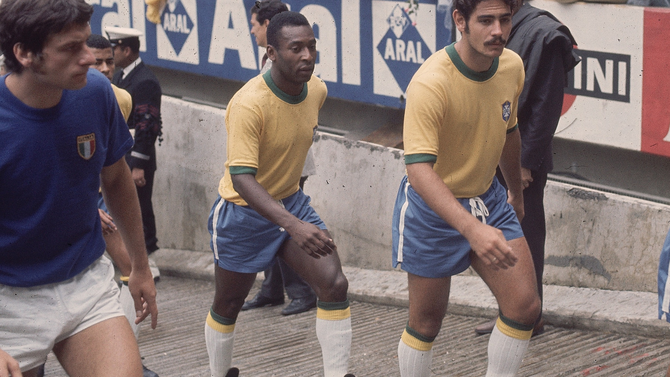
55. The World Cup has been played every four years since 1930, with the first edition of the tournament being held in Uruguay.
56. Brazil is the only team to appear in every men's World Cup (23rd consecutive appearance and counting).
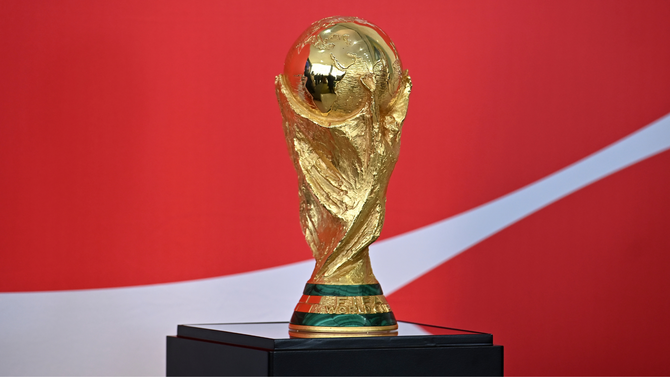
57. Only eight nations have ever lifted a men's World Cup trophy.
58. Brazil has won the most men's World Cups (five), followed by Germany and Italy (four each), then Argentina (three).
59. Speaking of Argentina, Lionel Messi and his side enter as the reigning champs looking to repeat. They defeated Kylian Mbappe's France in the Qatar 2022 final - arguably one of the best matches that we've ever seen, a 3-3 draw that went to penalties.
60. Back to back? Only two teams have ever won back-to-back tournaments: Italy (1934, 1938) and Brazil (1958, 1962).
61. The Netherlands holds a dubious record, though. They've made it to the final three times but have never won the World Cup, which is the most appearances in a final without winning, ahead of the Czech Republic and Hungary, who have both done it twice.
62. Six of the last 10 World Cups have been won by UEFA nations, a feat that they'll look to keep going in the United States.
63. Only one team from Europe has ever won a World Cup in the Western Hemisphere: Germany in Brazil 2014. Brazil won Mexico 1970, Argentina won Mexico 1986, and then Brazil lifted the trophy in USA 1994 before Germany ended the drought.
64. Don't forget the so‑called winner's curse: The trend of defending champions crashing out in the group stage. Since 2002, only Brazil in 2006 and France in 2022 have managed to break it and reach the knockout rounds.
- 2002: France (1998 winners) finished bottom of their group.
- 2010: Italy (2006 winners) failed to win a game in the group stage.
- 2014: Spain (2010 winners) were eliminated after losing their first two games.
- 2018: Germany (2014 winners) went out in the group stage, including a loss to South Korea.
65. 2026 could break attendance record: We could see a record that stood for more than three decades topple as we gear up for this supersized World Cup. The 1994 World Cup in the United States still holds the all‑time attendance record, an incredible feat given it featured only 24 teams. The tournament drew 3,587,538 fans, smashing the previous record by over a million. For comparison, Qatar 2022 welcomed 3,404,252 fans, with a much lower average of 53,191 per match, despite more games and more teams.
66. Canada may be a first-time host for the men's World Cup, but BC Place has hosted an iconic Women's World Cup Final in 2015. The United States defeated Japan in that match, with Carli Lloyd scoring a hat trick in only 16 minutes.
67. Most matches ever to win: With the expanded World Cup, to win it all, a team will now need to win eight matches to lift the trophy.
World Cup favorites
68. Spain (+450): Coming off of winning the Euros and falling in the final of the UEFA Nations League, Spain is at the top of oddsmakers' lists to win it all and for good reason. Spain is always a squad where the team composition comes before the parts of the side, but even when looking at players like Lamine Yamal, Fabian Ruiz, Pedri, and Rodri, the parts of this squad are pretty good too.
69. England (+550): Having not won since 1966, are the Three Lions due? England has an extremely talented squad, but that hasn't been the issue in years past. Mentality in the biggest moments is what Thomas Tuchel has to work through with the squad to end the 60-year drought.
70. France (+750): In what will be the final World Cup for France manager Didier Deschamps, Les Blues will try to make it to their third consecutive final -- something we have not seen since Brazil in 2002. With Kylian Mbappe leading the line, anything is possible, but their competition has only improved.
71. Brazil (+750): Carlo Ancelotti is in the midst of figuring out what his best squad is for Brazil, a country that has not won a World Cup since 2002, but always has massive expectations every tournament. Drawn into a tough group, it won't be easy.
72. Argentina (+800): Through Lionel Messi, all things are possible, even if Argentina may have the World Cup winner's curse hanging over them. Going back-to-back at the World Cup is one of the hardest feats in sports, but if anyone can do it, it's Argentina.
73. Portugal (+1100): A World Cup is the only infinity stone that Cristiano Ronaldo is missing from his collection; this is almost certainly his last chance. While there are arguments on whether Portugal may be better when he's not on the pitch, look for their timeless talisman to try and summon one more moment of magic.
74. Germany (+1200): Julian Nagelsmann has Germany moving in the right direction, and with Florian Wirtz finding his form with Liverpool, Germany will have a central player to what they want to do, but make no mistake, this is a deep squad.
75. Long shots who could make noise:
- Norway (+2500): Martin Odegaard, Erling Haaland and Antonio Nusa give Norway a serious attacking trio that can rival some top squads.
- Morocco (+6000): Even though manager Walid Regragui may not be leading Morocco at the World Cup, the Africa Cup of Nations runners-up did just finish fourth at the World Cup in 2022 and they'll be looking to outdo themselves.
- Croatia (+9000): One of the most well-drilled teams in the world, Croatia is organized by Luka Modric, but there are young players breaking through as well.
- Senegal (+10000): Fresh off of winning AFCON, Sadio Mane and the Lions of Teranga have never finished better than quarterfinals (2002).
76. Golden Boot candidates
- Kylian Mbappe (+600): Scoring for fun with Real Madrid, there's no reason not to expect Mbappe to keep scoring.
- Harry Kane (+700): Similarly to Mbappe, Kane is scoring at an absurd rate for Bayern Munich and with a talented England squad surrounding him, Kane can find the back of the net.
- Lionel Messi (+1200) and Cristiano Ronaldo (+2000): Never count out the GOATs.
- Erling Haaland (+1600): He's one of the most prolific scorers in the world. The question is, will Norway go deep enough in the tournament for him to have a chance?
- Wild card - Endrick: Seriously, while there's a chance that Endrick doesn't even go to the World Cup, Brazil has not settled on a striker, and if he ends up being the guy up top, there's extreme value there.
Storylines
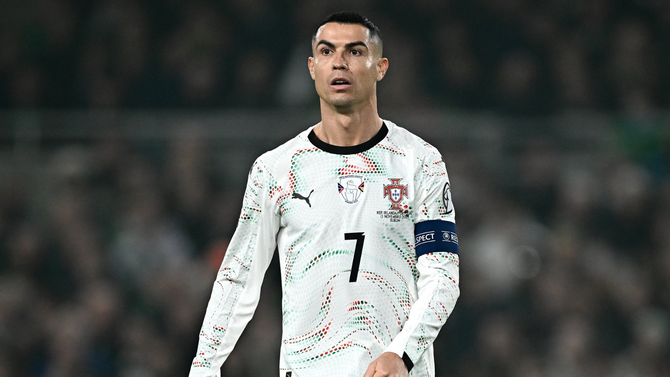
77. Ronaldo on U.S. soil: With the Las Vegas sexual assault allegation that Ronaldo faced being dismissed in 2022, he has been able to come into the United States without fear of prosecution. Now, ahead of the World Cup, he'll have a chance to play in Atlanta during the March international break.
78. Messi and other possible farewells: Including Luka Modric and Cristiano Ronaldo and potentially even Neymar, this is a World Cup that could truly mark the end of an era with some iconic players possibly on the verge of their last run in the tournament.
79. First-time qualifiers: World Cup expansion has brought four first-time qualifiers to the tournament, but don't let that seem like it's because of the expanded field. Cabo Verde, Curacao, Jordan and Uzbekistan will all look to make their debuts.
80. Curacao, the smallest nation to qualify: With a population of only 156,115, Curacao is making history at the World Cup, but that won't be its only challenge after head coach Dick Advocaat resigned due to personal reasons and was replaced by Fred Rutten.
81. Road warriors, Haiti: Due to unrest at home, Haiti had to play all of its qualifying matches outside of the country, and still topped its Concacaf qualifying group to make it to the World Cup. Now on the big stage, facing the best opposition in the world, it'll be time for Haiti to push for an upset.
82. Scotland's return: The Scots are back in the World Cup for the first time since 1998, and they carry with them one of the best nicknames at the tournament as Scott "McSauce" McTominay will be critical to their attempt to get out of a challenging group.
83. Will we see Italy? One of the most successful teams in World Cup history, the Italians have suffered a bigger downfall than any other powerhouse side. They aren't even officially qualified for the World Cup, needing to get through the UEFA playoffs to get here. Missing the 2018 and 2022 World Cups after winning the tournament in 2006 was already unthinkable, but failing to qualify for a third straight edition would push the Azzurri into truly unprecedented territory.
84. Groups of death: The expanded World Cup may spread out the field, but it hasn't eliminated danger zones. Group I -- France, Senegal and Norway -- is loaded with pitfalls, while Group L, headlined by England, Croatia, and Ghana, is equally brutal.
85. Canada, hosts with ambition: Manager Jesse Marsch may have moved on from missing out on the U.S. job, but after failing to escape its group at the 2022 World Cup in Qatar, Canada is eager to prove it belongs on the biggest stage. With more Canadian players competing at higher levels in Europe than ever before, expectations, especially for a host nation, will be sky-high.
86. Mexico seeks redemption: A single win and a group‑stage exit in 2022 ended Mexico's decades‑long streak of reaching the knockout rounds. But hosting matches should provide a massive boost. History backs that up -- Mexico made the quarterfinals in both tournaments it hosted, in 1970 and 1986.
87. Biggest teams missing the World Cup: Nigeria and Cameroon are the standout omissions, and Italy or Denmark could still join them depending on the UEFA playoffs. Either way, the tournament will miss the star power of Galatasaray striker Victor Osimhen.
88. Russia still banned: While FIFA president Gianni Infantino is open to ending the ban, Russia is still ineligible to participate in the current World Cup due to a suspension that was imposed by FIFA and UEFA in 2022 after the country invaded Ukraine.
Here comes the United States
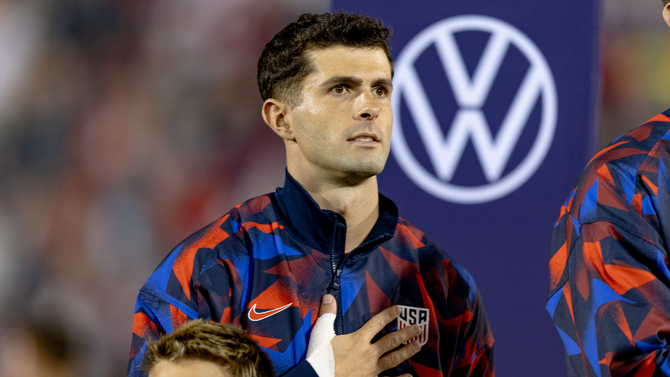
89. United States history at the World Cup: The USMNT qualified for 12 World Cups, with the best finish coming as a technicality during the inaugural 1930 World Cup (third, based on goal difference). In a standard edition of the tournament, the USMNT reached the quarterfinals in 2002. In recent years, it has reached the round of 16 in every World Cup it has qualified for.
90. Pressure as hosts: Hosting amplifies expectations -- a lesson the 1994 USMNT, led by Tony Meola, knew well. Back then, with no domestic league and limited mainstream support, the pressure was to prove the sport could grow in the U.S. This team faces a different burden. Branded as a golden generation, they'll need to show it. Surviving the group stage won't cut it; the expectation is at least a run to the quarterfinals.
91. Meet Mauricio Pochettino: Landing Mauricio Pochettino, one of the sharpest coaches in world football, is a seismic moment for the U.S. program. He's the first foreign manager since Jürgen Klinsmann, and his resume signals a new level of ambition. When a coach of his global stature chooses the United States, it instantly raises the ceiling.
92. Is he one and done? It's rare for head coaches to stay with a national team for more than one cycle, and with the United States having the most globally accomplished coach in its history, it'll be tough to hang on to Pochettino following the World Cup if things go well. With his former club, Tottenham, in a relegation battle in England and other clubs surely being interested, he'll have no shortage of options if the World Cup goes well.
93. Familiar opponents: If Turkiye is the team to come out of the UEFA playoffs, then the United States will have not only faced every team in its group in the past year or so. The only thing it suffered a loss to is Turkiye. Of course, that familiarity goes both ways, as each team will know what to expect from the USMNT. With Pochettino rotating so much, there could be surprises with who starts.
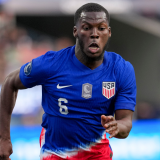
94. Consistency for Christian Pulisic: Starting the season as one of the best players in Serie A with Milan, Pulisic's form has cooled off in recent months. The USMNT will need him healthy and at his best in order to make a deep run in the tournament.
95. Weston McKennie, Swiss Army Knife: Starting one Champions League game at striker and the next at left back, there isn't a player in the squad more versatile than McKennie. He has been in and out of the squad for Pochettino, but as we come down to crunch time, he'll be one of the most important players, alongside Pulisic, to the USMNT's fate.
96. Long shot who could make the squad: Keep an eye on Noahkai Banks of FC Augsburg in the Bundesliga, playing regular minutes as the club pulls away from the relegation zone. He's someone whom Pochettino has spoken highly of, and considering the lack of depth at center back, the 19-year-old could make a last-gasp debut appearance in the final squad.
Players you should know
97. We've already talked about the Golden Boot candidates -- Messi, Mbappe, Kane, Haaland -- above, so we'll refrain from mentioning them twice. Here are other household names ...
- Son Heung-Min, South Korea: Playing with Los Angeles FC, there are plenty of chances to see South Korea's captain in action ahead of the World Cup.
- Lamine Yamal, Spain: Only 18, the Barcelona star has become the most important player for both his club and Spain. We're witnessing greatness.
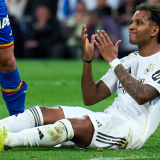
- James Rodriguez, Colombia: Winning the 2014 Puskas award with his strike versus Uruguay in Brazil, James Rodriguez earned a move to Real Madrid based on his performance at that tournament. Now at Minnesota United, he's looking to get back to his best.
- Mohamed Salah, Egypt: In what could possibly be his last World Cup as a member of Liverpool, Salah will look to lead Egypt in their first appearance since 2018.
- Ousmane Dembele, France: The reigning Ballon d'Or winner, Dembele has already powered Paris Saint‑Germain to a Champions League title. Now the question is whether he can cap his year by lifting the World Cup with France.
- Vinicius Junior, Brazil: Back to his best form for Real Madrid
- Florian Wirtz, Germany: Suffering an injury just after finding his form for Liverpool, Wirtz will be critical to Germany's hopes at this tournament.
98. Remember these faces ...
- Kendry Paez, Ecuador: Now on loan to River Plate, this World Cup is a chance for Paez to lead Ecuador and show Chelsea that he belongs with the squad.
- Lennart Karl, Germany: With a chance to become the youngest German player to play at a World Cup following his success at Bayern Munich, Karl will be someone to watch during the March international break.
- Franco Mastantuono, Argentina: Only 18 and fully in the Real Madrid rotation, it'll be a tough road to play significant minutes for Argentina, but there's a chance it could happen for the dynamic talent.
- Yan Diomande, Ivory Coast: From Florida to Spain to RB Leipzig and right into the Ivory Coast squad. The 19-year-old already showed what he can do at AFCON, so now it's time for his follow-up.
- Estevao, Brazil: The Chelsea man will be critical to Brazil's performances at the World Cup. Another 18-year-old, you may be picking up that this could be the World Cup of the teenagers and the changing of the guard from some of the global stars.
99. Coaches to know ...
- Marcelo Bielsa, Uruguay: The legendary Argentine coach is one of the most influential managers in all of global soccer and will produce a watchable team at the tournament.
- Thomas Tuchel, England: Tuchel may be leading England under intense pressure, but with a track record of winning wherever he goes, including a 2021 Champions League title at Chelsea, he won't be fazed.
- Carlo Ancelotti, Brazil: The former Real Madrid manager will have the pressure of turning Brazil around, but with former players like Vini Jr. and Rodrygo in the squad, there's a familiarity there.
- Julian Nagelsmann, Germany: Instilling a system with the German national team, Julian Nagelsmann will be one of the managers who could use this World Cup to get back into a major club job.
100. Behold the GOAT: One more time for Messi, we'll be able to see more things like this during the World Cup.
LIONEL ANDRÉS MESSI IS NOT HUMAN. pic.twitter.com/2mBDI41mLy
— Major League Soccer (@MLS) July 22, 2023