WNBA players union blasts league for 'undervaluing' players and 'running out the clock' as CBA expires
'Pay equity is not optional and progress is long overdue,' the union said in a statement Friday

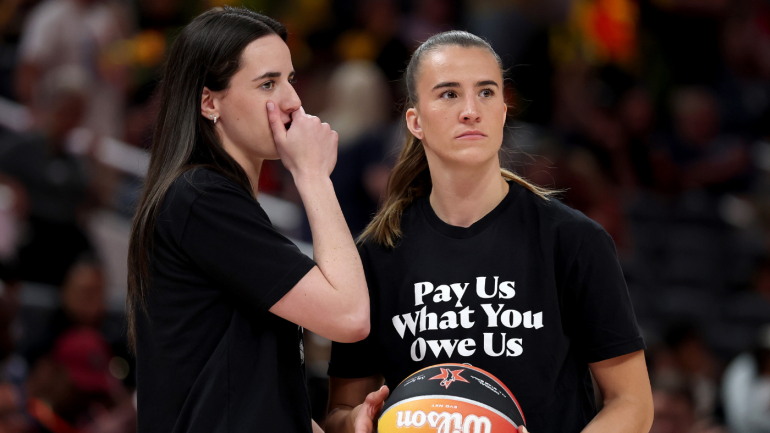
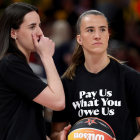
On Friday night, 30 minutes before the deadline for a new collective bargaining agreement between the WNBA and its players union was set to pass, the WNBA Players Association released a statement blasting the league for its negotiating tactics and accusing it of trying to run out the clock.
"At midnight, the 2020 WNBA-WNBPA Collective Bargaining Agreement will expire. Despite demonstrating our willingness to compromise in order to get a deal done, the WNBA and its teams have failed to meet us at the table with the same spirit and seriousness. Instead, they have remained committed to undervaluing player contributions, dismissing player concerns, and running out the clock," the statement read.
The WNBPA still has not received a counter offer to a proposal it sent the WNBA more than two weeks ago, sources familiar with the situation confirmed to CBS Sports.

The 2020 WNBA CBA was originally set to expire on Oct. 31, 2025, but the two sides extended the deadline twice -- first to Nov. 30, and later to Jan. 9. This time, the deadline was not extended. Without an official extension, the league and players will enter into a "status quo" period, meaning that while WNBA and its players will continue to operate under the rules of the 2020 CBA, either side could announce a work stoppage at any time.
Last month, the players voted to authorize a strike "if necessary," but a lockout is not currently expected and both sides have expressed their desire to continue to negotiate in good faith. Breanna Stewart, the vice president of the WNBPA, told Sarah Spain on the "Good Game with Sarah Spain" podcast this week that she's hopeful a deal will be reached by Feb. 1.
Still, the WNBPA is trying to turn up the pressure on the league, both privately and publicly. On Friday, Scabby the Rat, the large, inflatable rat used by unions to draw attention to labor fights, was on display outside of the NBA store in New York City.
"Today's display of an inflatable rat, a universal symbol of labor protest, outside of the NBA Store, calls attention to how the league and its teams have handled these negotiations. By delaying and clinging to the status quo, they are jeopardizing the livelihoods of players and the trust and investment of fans, all in the name of preserving regressive provisions that no longer belong in women's basketball," the statement read.
"Players care deeply about their fans and take pride in honoring that loyalty every time they take the court. The league's tactics harm current and future players and marginalize the very people who show up for the game in communities across the country.
"This misguided approach will not work. In the face of the league and teams' actions, the players remain undeterred, unafraid, and unwavering in their commitment to doing what is necessary to secure a transformational new CBA. This agreement must include a salary system tied to a meaningful share of the revenue that would not exist without player labor, mandate professional working conditions, and require protections that honor the players who built this league and set the next generation up for success."
The WNBA's most recent proposal would raise the salary cap to $5 million and the max salary above $1 million, a significant increase from the $1.5 million salary cap and $250,000 max salary in 2025. The players' recent proposal has a salary cap of around $10.5 million with a $2.5 million max salary. The biggest chasm between the two parties is the revenue-sharing component. The players are looking for 30% of gross revenue, while the league is offering 70% of net revenue, or the revenue left over after league-specified operating expenses are taken off of the top.
Players believe that they deserve a bigger cut of the revenue their labor has generated, and they are not done fighting for what they feel they are owed.
"Make no mistake. Pay equity is not optional and progress is long overdue. We urge the league and its teams to meet this moment. The players already have and will continue to do so."
After the deadline passed on Friday night, the WNBA issued a statement of its own.
"The current Collective Bargaining Agreement has expired, and negotiations with the Women's National Basketball Players Association remain ongoing," the league said. "As the league experiences a pivotal time of unprecedented popularity and growth, we recognize the importance of building upon that momentum. Our priority is a deal that significantly increases player salaries, enhances the overall player experience, and supports the long-term growth of the league for current and future generations of players and fans."