Wisconsin's new online sports betting market might look a bit different
The launch could be a ways off, but a law has been signed to legalize Wisconsin online sports wagering in cooperation with federally recognized tribes
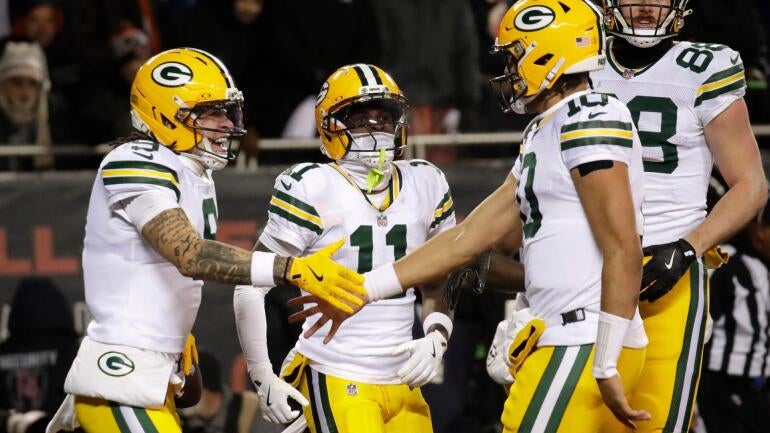
Wisconsin has become the 33rd state to legalize online sports betting, along with Washington, D.C., but it will be just the second to be guided by the Indian Gaming Regulatory Act. The framework of the act and the law signed by Gov. Tony Evers require sportsbook operators who want to operate in Wisconsin to partner with the state's 11 federally recognized tribes.
The set-up is similar to the online gaming model in Florida sports betting, where the Seminole Tribe has exclusive sports betting rights and operates its online sports betting through Hard Rock Bet. The Wisconsin model is unique in that commercial betting sites and top betting apps like DraftKings, BetMGM bet365, DraftKings, Fanatics and FanDuel will be able to form partnerships with the tribes. However, the commercial sportsbooks are not fully on board with the limited revenue the relationships would provide them.
The new online sports betting law would use the IGRA's "hub-and-spoke" model, where bets can be made by anyone located in the state through servers that must be on tribal land. The tribes would receive 60% of revenue, which is a sticking point for major sportsbooks looking to form partnerships under the Wisconsin law.
The revenue sharing plan is similar to Florida's agreement with the Seminole Tribe, where the tribe provides the state a revenue share of at least $450 million per year for all gaming. The Seminoles have conducted full-scale betting on the Hard Rock Bet app and at its casinos since early December 2023.
Last month, Sports Betting Alliance lobbyist Damon Stewart told a Wisconsin Senate committee that commercial sportsbooks "cannot operate" under the compact, citing limited offerings and revenue. The comments incensed tribal leaders, who were offended by the implication that the tribes weren't equipped to handle statewide online betting.
The rift comes at a time when the SBA is trying to work with tribes in multiple states, including Wisconsin, California and Minnesota, to open more legal sports betting markets. The Wisconsin online sports betting law is a test case for whether tribal gaming and commercial operators can co-exist.
Wisconsin has 11 federally recognized gaming tribes, and all have strengths and weaknesses and varying levels of prominence. Some have prime locations or are in heavily populated areas, while some are in rural areas or less successful financially.
The Wisconsin online sports betting law attempts to level the playing field, with wagering allowed all over the state, and smaller or less successful tribes would have the option to partner with large sportsbooks or more prominent tribes.
"[All the tribes] are traditionally competitors, but today is a new world, and hopefully we can come together and help each other to be successful," Oneida Nation chairman Tehassi Hill said at the Indian Gaming Association conference in April. Gov. Evers has said he will only sign compacts that are beneficial to all Wisconsin tribes.
The federally recognized tribes have exclusive gaming rights in Wisconsin, and the state has 27 Las Vegas-style casinos. Some of those casinos also have sportsbooks after the Oneida Nation became the first tribe in the state to add in-person sports betting in 2021.
The Ho-Chunk Nation, Oneida Nation and Potawatomi all operate multiple locations, including spaces near large population centers Milwaukee and Madison, while the Chippewa Red Cliff Band is one of the smallest tribes, operating one small location near Lake Superior. The Oneidas also have a casino and sportsbook near Lambeau Field to capitalize on the large Green Bay Packers crowds.
With the wariness of commercial sportsbooks and the fact that individual compact negotiations are required between Gov. Evers and each tribe before being sent for federal approval, the launch of online sports betting in Wisconsin is not imminent. The law was signed on April 9, and officials estimate it could take a year or more for the negotiations and administrative tasks to be completed.
While they wait for online sports betting, Wisconsin residents do have access to predictions markets like Kalshi, where they can purchase contracts on sports events. At least for now. The Ho-Chunk Nation filed a lawsuit against Kalshi late last year and the state attorney general is suing multiple prediction markets. At the same time, the Commodity Futures Trading Commission is suing the state to assert its authority to regulate the predictions markets.
Whether sports fans will be able to wager on Wisconsin football or basketball remains to be seen, as many states restrict or prohibit wagering on college sports, but wagering on MLB's Milwaukee Brewers, the NBA's Milwaukee Bucks or the NFL's Packers might not be too far over the horizon for Wisconsin residents.