

In the aftermath of the latest chaos for the Class of 2022 on Friday, a general manager of a college football team sent CBS Sports a message with a meme of Ed Helms' character in "The Hangover."
It shows Helms, upon waking up from his group's wild night in Las Vegas, attempting to put his glasses back on while walking around groggy and confused as he began to process the carnage he was seeing around him.
"Me every day (right now)," the GM joked.
He's far from alone in feeling like that among people in his space. In the latest twist in this college eligibility craziness that's been an ongoing saga ever since the initial Colorado district court ruling on July 31 that gave Class of 2022 players another year of eligibility, the NCAA got a win Friday and was granted a stay in that Colorado case. That shifts players from the Class of 2022 players who exhausted their eligibility last season back to being ineligible unless they've filed their own individual lawsuits and been granted their own separate temporary restraining orders against the NCAA.
The chaos is far from over. After talking to sources, he's what you need to know:
Some players remain eligible
While the U.S. 10th Circuit Court of Appeals' stay removes the sweeping fifth year of eligibility provided to Class of 2022 athletes in the Colorado case, many other athletes remain eligible because of TROs and injunctions they were granted in court cases on the state level.
That includes all the players who gained eligibility earlier this week in Louisiana, a case that allowed players who've signed NFL contracts to return to school.
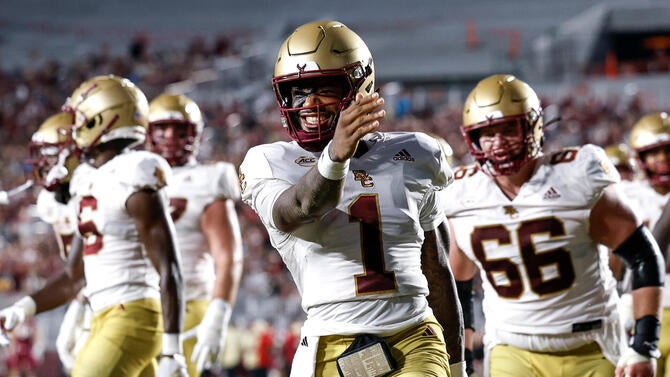
Shortly after the Colorado ruling Friday, 10 athletes were granted TROs by a court in Kentucky. Former Florida State quarterback Thomas Castellanos was also granted a TRO on Friday, which now allows him to come back to college for a fifth season and also enter the transfer portal.
Lawyers referred to these TROs as layers of protection against NCAA rules to CBS Sports. The Colorado case granted every 2022 athlete a shield against NCAA rules. Winning a TRO in a state court provides another. So even with the 10th Circuit staying the lawsuit led by Northern Colorado basketball player Brock Wisne, players who gained eligibility in other cases are unaffected by that decision.
An example is New Mexico kicker Luke Drzewiecki. He gained his year back in the Louisiana case Thursday and by Friday he'd already signed with Minnesota for his final season of eligibility. Being part of the lawsuit in Louisiana allowed him to both enter the portal -- something those who gained years back in Colorado could not do -- and prevents the NCAA, at least for now, from enforcing its eligibility rules against him. As a result, Drzewiecki could play for the Gophers if the season started today, but players who were granted an extra year solely for Colorado can not.
More lawsuits are coming soon
One thing is certain in talking with sources in the wake of the 10th Circuit's decision -- it will trigger another significant round of lawsuits in state courts.
Lawyers and agents CBS Sports spoke with Friday said they expect additional lawsuits filed next week by players who are hoping to gain their fifth years back after losing them with the 10th Circuit's decision.
Time is of the essence for football players. The college football season starts next Saturday for some, and everyone will be underway by Labor Day weekend. Expect a rush of lawsuits filed in state courts against the NCAA next week as players attempt to return before the season begins.
Even with the football season's start on the horizon, sources across the sport expect the back-and-forth eligibility situation to continue well into the season. It echoes the Charles Bediako situation with Alabama basketball last season. Bediako's status was a day-to-day question after returning to the Crimson Tide following multiple seasons in the G League, and he played only five games with the Tide before being ruled ineligible.
That was a multi-week saga that enraged many in college basketball.
With multiple state cases in flux this fall, you could see players gain and lose eligibility depending on the week and the whims of the courts.
A sticky situation in the SEC
There's a growing discord in the SEC ahead of the season with this unexpected window of player movement. The SEC maintains strict intraconference rules that prevent athletes from transferring from one intraleague institution to another except for in certain windows of the year.
That's something SEC commissioner Greg Sankey reminded schools about earlier this month when he sent a memo stating that the league's transfer rules remain in place amid Class of 2022 eligibility chaos.
However, when reached by CBS Sports on Friday about whether the league's intraconference transfer rules still applied -- and would hold up -- amid the Louisiana lawsuit language, the SEC declined to comment.
The lawyer for the plaintiffs in the Louisiana lawsuit, Ryan Downton, told CBS Sports that "We believe the order should allow players to transfer within the conference, but have reached out to the SEC to discuss."
Multiple SEC schools, per sources, believe the league's ban on SEC-to-SEC transfers would not hold up in court.
We've already seen some behind-the-scenes movement that might suggest that.
LSU is eyeing several former SEC players, per sources, who could return to school. On the basketball side, Kentucky is considered the favorite for former Missouri power forward Mark Mitchell, who entered the portal Friday after he was granted a TRO against the NCAA in a court case in Kentucky.