2026 Fantasy Baseball Third Base Preview: Sleepers, breakouts, busts, ranking the top 12 and more
A complete position breakdown on what you need to know before you draft

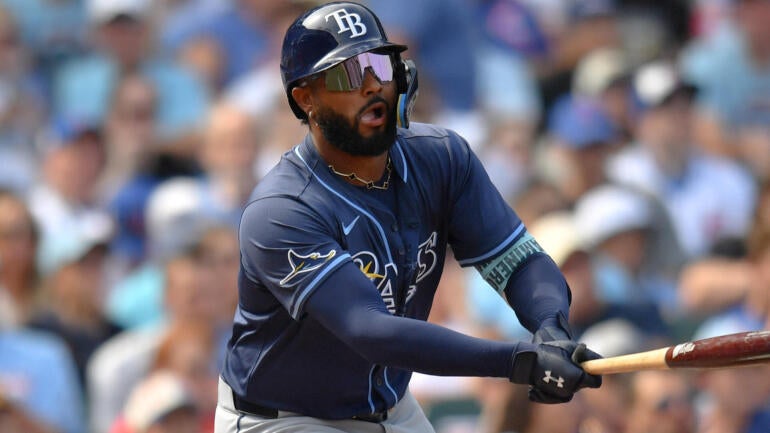
Think about how sorry the state of third base would be right now if not for Junior Caminero. It is arguably the weakest position in Fantasy heading into the 2026 season – there were fewer players who generated at least $5 in value in 2025 than any other position – and only two third basemen even cracked Scott White's Top 100 prospects list. And one of them is a nearly 30-year-old import from Japan!
I mean, Zach McKinstry and Lenyn Sosa were top-12 finishers at the position in 2025. Yes, that's partially a result of guys like Jordan Westburg, Alex Bregman, and Austin Riley missing significant time and others like Nolevi Marte not quite emerging for a full season as dependable starters yet. But we also saw guys like Rafael Devers, Jorge Polanco, Colson Montgomery, and Sal Stewart all lose eligibility there.
But the reality is, while third base probably has more star-caliber players than, say, second base does, the position on the whole is probably shallower. Maybe we could see some young guys take a step forward, but then you have to balance that with the fact that four of the top eight in ADP are all well into their 30s; some of those guys dropping off is probably about as likely as the younger guys stepping up.
What I'm saying is, third base isn't in great shape, and there's not a lot of reason to think things are going to look better at the end of 2026 than they do right now. Impossible to see, the future is, but still, I'm not optimistic. Here's what you can do about it:
If you're looking for the case against Ramirez, it's that he's already 33 and plays in a pretty crummy lineup. Of course, he played in that lineup in 2025 as a 32-year-old and was the No. 6 player in Fantasy anyway, so it's hard to hold either against him. There will come a day when Ramirez takes a step back, but we haven't really seen any signs of that yet, and his plate discipline and ability to hit the balls to the right parts of the field are both so strong that it's hard to be too concerned about any risk here. The downside is probably still a very good player.
| ||||||||||||||||||||||
The only concern I have with Caminero is that the Rays are returning to Tropicana Field, a unique venue that affects every player differently. Since it's the only ballpark with a fully enclosed playing field, the ball literally moves differently there, and some guys just have a lot of trouble hitting there – famously, Willy Adames was a sub-.700 OPS bat until he escaped. I don't expect that to hold Caminero back, but how he'll adjust to Tropicana is an unknown factor that makes it slightly harder to stomach a top-15 price. But he's such a preternaturally skilled young power hitter that I don't feel super comfortable fading him, either, even if I don't expect him to repeat his 45 homers from 2025.
| ||||||||||||||||||||||
If third base is the shallower position than second base, you want to use Chisholm there even without taking into account the upside of his rare out-of-position speed from third base. He's been pretty close to a 40-40 pace since getting to the Yankees, and I think that is in play as a ceiling outcome in his contract year. Injuries remain a concern, but he has played 130-plus games in consecutive years, and players tend to play more in contract years anyway. If we get 150 games out of Chisholm, a first-round outcome is possible.
| ||||||||||||||||||||||
Machado still produces excellent quality of contact metrics and strikes out at a below-average clip, so I don't expect a big step back as he approaches his mid-30s. He's been remarkably consistent over the past three seasons, and while his home park and lineup probably hurt more than help, it's not like we've seen much downside from him. You'll get close to 30 homers, double-digit steals, and solid, if not elite, run production. It's a strong five-category profile that figures to continue aging well, even if he isn't quite as exciting as he once was.
| ||||||||||||||||||||||
Garcia has always had plus athleticism, strong plate discipline, and good raw power, but up until 2025, he just wasn't optimized to take advantage of those tools. He started elevating the ball a bit more in 2025, especially to the pull side, and took a big step forward as a result. Now, he gets to take advantage of shorter fences in the outfield in Kauffman Stadium, where he had a sub-.800 OPS and seven of his 16 homers last season. Even getting just a couple more homers from the more hitter-friendly dimensions would be big for Garcia, who could either push for his first 20-homer season or overcome whatever natural regression might be coming for him. We don't have a huge track record to back up what Garcia did in 2025, but we always knew he had the tools for it, which makes it easier to buy. And if he gets back to being more like a 30-plus steal guy while retaining last season's gains as a hitter, there's even more upside here.
| ||||||||||||||||||||||
There have been some signs of regression from Riley, whose .440 xwOBA on contact and 28.6% strikeout rate in 2025 were both his worst marks in the majors since 2020. He still hits the ball plenty hard, of course, and it's hard to know how much of that regression is because he's in his late-20s vs. all of the injuries he has dealt with in recent years. He underwent sports hernia surgery late last season and is fully recovered after a mostly normal offseason. Riley's profile carries some inherent volatility with how much he strikes out, but a bounce-back to 30 homers and 90 RBI seems reasonable enough to expect here.
| ||||||||||||||||||||||
Talk about "inherent volatility," Suarez has been all over the place over the years. You might look at his second-half slide and think that represented some risk for 2026, but I'm not too concerned – it was his second stint in Seattle, and he struggled to hit during both, so I'm inclined to blame T-Mobile Park, especially since he kept raking on the road. There is real risk here of a sub-.200 batting average, but Suarez also has huge power and RBI potential, especially with the home park upgrade in his return to Cincinnati. Some might be scared of Suarez, but I'll take him anywhere after the first 80 picks.
| ||||||||||||||||||||||
Signing with the Cubs wasn't a worst-case scenario for Bregman, but it's not ideal for a guy who relies so much on pulling the ball in the air to generate his power. Comparisons to Isaac Paredes' disastrous turn with the Cubs are natural, but not entirely fair – Bregman doesn't have huge raw power, but he hits the ball about 3-4 mph harder than Paredes on average. It's still a park downgrade, but Bregman should remain a solid source of all-around production, even if he isn't necessarily a standout anymore, at least in Roto leagues – you can bump him up a spot or two in the rankings for H2H points leagues thanks to his excellent plate discipline.
| ||||||||||||||||||||||
| ||||||||||||||||||||||
Offensively, Chapman doesn't really stand out anywhere, but that isn't a knock against him. He's got pretty good power, but less than elite; he'll steal a few bases, but never more than 15; his run and RBI numbers are usually, again, decent, but not great. Chapman is a batting average drain, and likely better in points leagues than Roto as a result, but he's a solid enough all-around contributor to be a viable fall-back option in all formats, at least.
| ||||||||||||||||||||||
Marte broke out in 2025, and it's reasonable to think there might even be room to grow from here. He's just 24 and a recent top prospect, after all. But even if you just take what he did in 2025 and project it for a full season, you're looking at something like a 25-homer, 20-steal pace with a useful batting average. The physical tools are there for a step forward, and we know his ballpark in Cincinnati will help. It'd be easier to make the call if Marte didn't completely collapse in September, slumping to a .501 OPS and 33% strikeout rate in the season's final month. There's upside here in a very Fantasy-friendly package, but Marte is by no means a sure thing.
| ||||||||||||||||||||||
Your favorite Fantasy analyst's favorite third baseman. Okamoto is the less physically gifted of the two big corner infield imports from Japan (Munetaka Murakami is only 1B eligible in CBS Fantasy leagues). Okamoto is coming off a career-best season that saw him hit 15 homers in just 69 games while putting up the second-best wRC+ in NPB. He combines at least above-average raw power with strong contact skills and a lift-and-pull approach that helps him get the most out of his power, including a 41-homer season and another with 39, both in just 140 games. The landing spot in Toronto is a nice one, and he basically got a contract double what Murakami signed for, a sign that MLB teams believe in him, too.
| ||||||||||||||||||||||









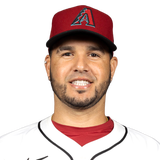






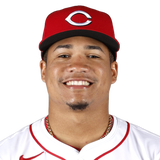


If there was no question about his playing time in Houston, Paredes would be a top-10 option at the position. If there was no question that he would stay in Houston, period, he'd be a top-12 option even if there was some concern about how they would divvy up playing time. It's the combination of playing time concerns and the potential of a trade that makes it hard to have full faith in him. He's such a good fit for Houston that they have to know they'll never get as much in return for him as he is worth for their team, so I'm hoping they just hang on to him and find a way to make it work. Heck, it could even work out to our benefit if he gets enough playing time at 2B to qualify at the two weakest positions, something the Astros have talked about. Drafting Paredes as a corner infielder for Fantasy still makes a lot of sense to me, even with the question marks.
| ||||||||||||||||||||||
What's tough about Lewis is that, even when he was putting up huge numbers, the underlying data was never quite as impressive. Was 2025 the bottom falling out, or just Lewis being exposed as a mediocre hitter who ran into some good luck over small sample sizes earlier in his career? I'm willing to give him the benefit of the doubt, given the cheap price, as well as his sudden willingness to run in the second half, when he stole 12 bases over the All-Star break. If he can be a 15-steal guy, it lowers the bar for what he needs to manage as a hitter to be relevant.
| ||||||||||||||||||||||
Muncy started wearing glasses at the end of April last season and hit .268/.406/.563 from that point on. He's still clearly a very good hitter and should be very productive whenever he's in the lineup. The problem is, he'll sit against some of the tougher lefties on the schedule and will get regular days off besides that to try to keep him fresh and healthy for the postseason, which limits his utility. Muncy is better for a points league, but potentially missing two games per week makes him a fringe option in that format in spite of it. He's best deployed as a corner infielder in a daily lineup league, where you know you'll get excellent production from him whenever he's in the lineup and can turn to alternatives when he isn't.
| ||||||||||||||||||||||
There was a stretch during the middle of last season where it looked like Barger might be a potentially elite power hitter, as he ran an average exit velocity north of 93 mph from April through the end of July. That was impressive, but it was also a significant outlier for his career – his average exit velocity was 88.3 mph in the majors in 2024 and 90.2 mph in Triple-A in 2024. He fell to below 90 mph for the final two months of 2025 and put up just a .315 expected wOBA over his final 250 plate appearances. There's an opportunity for Barger to play regularly for the Blue Jays, and there is upside here if he can tap back into that plus power again, but he's not someone I want to go into 2026 relying on as a core piece, either.
| ||||||||||||||||||||||
Bohm is boring. I get it. He probably has a ceiling around 20 homers, and he's not such a good bet for batting average that you can brush off his obvious limitations elsewhere. But you know what other similarly boring hitters don't have going for them? Batting cleanup behind Trea Turner, Kyle Schwarber, and Bryce Harper. As long as Bohm looks locked into that spot in the lineup, he's going to at least be a pretty boring source of a lot of RBI, making him a solid target as your CI.
| ||||||||||||||||||||||

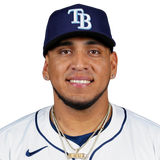







Lawlar has his flaws, for sure. He's struggled mightily to stay healthy in the upper minors, and he has struggled mightily to hit non-fastballs, which is a pretty big red flag that MLB pitchers are more likely to take advantage of than those in the minors. But at this point, the Diamondbacks need to just give him a chance to sink or swim, because there's nothing left to be learned for a guy with an OPS near 1.000 in his career at Triple-A. It looks like Lawlar is at least going to get a chance to play in the outfield for the Diamondbacks, and if he can hack it out there defensively, I still think he's a guy with 20-20 upside in the majors – though my expectations for his batting average continue to decline in the short and longer term.
| ||||||||||||||||||||||

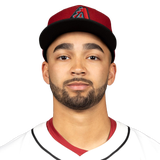
Okamoto combines at least above-average raw power with the skills to put it into play consistently in games. That doesn't mean he'll definitely be a plus major-leaguer, but it's a bet I'm willing to make given his landing spot with the Blue Jays. He ended up signing for four years and $60 million despite turning 30 in June, so the Blue Jays are paying him like they expect him to be an immediate contributor. He'll likely primarily play third base, but could see time at first, second, and the outfield depending on how important it becomes to keep his bat in the lineup. The likeliest outcome for Okamoto is probably something like the post-peak version of Nolan Arenado, and his ADP is still outside of the top-200, making him a very nice target in most leagues.
| ||||||||||||||||||||||
I think Bregman is probably going to be fine. He's less reliant for power on pulling the ball right down the line than Isaac Paredes, and that's the primary reason he was such a bad fit for Wrigley Field. I don't think Bregman is likely to be held back in the same way. But it's been a tough park to hit for power in the past few years, and Bregman doesn't have as much of a margin for error as he used to. If that batting average dips to the .250 range and the homers settle in more in the 20 range in Wrigley, he's going to start looking pretty fringe-y for Fantasy. His price is reasonable enough that I'm not actively avoiding Bregman, but I don't think the ceiling is high enough to make him a big target, either.
| ||||||||||||||||||||||
Third Base Top Prospects
1. Kazuma Okamoto, 3B, Blue Jays
Age (on opening day): 29
Where he played in 2025: Japan
NPB stats: .322 BA (270 AB), 15 HR, .992 OPS, 34 BB, 36 K
Okamoto's numbers are even more impressive in the context of the NPB going through a dead-ball period right now, and while his age puts him about a dozen spots behind Munetaka Murakami on this list, his vastly superior contact skills make him the better bet to click, as reflected by his lengthier contract.
Scott's 2026 Fantasy impact: pencil him in
2. Jacob Reimer, 3B, Mets
Age (on opening day): 22
Where he played in 2025: High-A, Double-A
Minor league stats: .282 BA (444 AB), 17 HR, 15 SB, .870 OPS, 58 BB, 112 K
Already a patient hitter, Reimer became a more opportunistic one in 2025, punishing strikes as his home runs spiked with one of the highest pull-air rates in the minors. He may need even more power to carve out a role in the majors, though, since it's unclear that he'll be able to stick at third base.
Scott's 2026 Fantasy impact: midseason hopeful
3. Alex Freeland, Dodgers
Age (on opening day): 24
Where he played in 2025: Triple-A majors
Minor league stats: .263 BA (415 AB), 16 HR, 18 SB, .834 OPS, 83 BB, 111 K
Major league stats: .190 BA (84 AB), 2 HR, 1 SB, .601 OPS, 11 BB, 35 K
Freeland is in a precarious spot, having already graduated to the majors but failed to make a strong impression in an organization that leaves no margin for error. While a capable shortstop, his best outcome with the Dodgers may be a utility role, having debuted as a fill-in for Max Muncy at third base. It'll be his plate discipline that carries him, buoyed by a chase rate comparable to Juan Soto, but he could also develop into a 15-homer, 15-steal type if he gets the chance.
4. Andrew Fischer, Brewers
Age (on opening day): 21
Where he played in 2025: High-A
Minor league stats: .311 BA (74 AB), 1 HR, 8 SB, .848 OPS, 11 BB, 22 K
The 20th pick in the 2025 draft had only one home run in his first 19 professional games, but he had 25 in 65 games at the University of Tennessee last year, his slugging prowess representing a departure from the Brewers' usual emphasis on bat-to-ball skills. That power is fueled more by a steep launch angle than pure exit velocities, though, which presents some batting average risk. Prospect361 comps him to Rhys Hoskins, which seems fair, except that Fischer may actually stick at third base.
5. Tommy White, Athletics
Age (on opening day): 23
Where he played in 2025: High-A, Double-A
Minor league stats: .275 BA (360 AB), 12 HR, 23 2B, .773 OPS, 29 BB, 54 K
The biggest knock on White is that he's likely destined for first base, where the Athletics are already overloaded and where right-handed hitters in general have a difficult time breaking in. But he can really hit, having achieved legendary status in college with the eighth-most home runs all time and having maintained a strikeout rate around 15 percent even as a professional. His muted production so far is mostly tied to spray angle, which is a common developmental hurdle.